Two Weeks on Lake Oahe: What Wind, Water Temperature, and Bait Taught Me
When I first arrived at Lake Oahe, we were dealing with north and northwest winds in the 15 to 20 mph range. Water temperatures were generally in the 65 to 66 degree range, and as the trip progressed, I began noticing how much wind, water temperature, and baitfish location worked together.
One thing that surprised me was that the bait wasn’t always concentrated in the most wind-blown areas. In fact, during periods of sustained 30 mph or greater winds, many of the baitfish seemed to relocate to areas protected from the wind. My theory is that the deep, cold water of Lake Oahe was being pushed up onto shallow structure in the wind-blown areas, creating cooler water temperatures. Meanwhile, some of the protected coves and sheltered areas maintained slightly warmer and more stable temperatures, making them attractive locations for baitfish.
One of the toughest days we experienced came during a period of calm weather with little to no wind and clear skies. The bait appeared to push deeper, and the predator fish were much less active around those bait schools. We struggled until we located areas with slightly dirtier water, which seemed to hold more active fish.
The following day brought a return of moderate winds in the 15 to 25 mph range, and almost immediately the pattern improved. As the trip continued, I realized that I wasn’t necessarily searching for the warmest water on the lake. Instead, I was paying close attention to areas where water temperatures remained consistent from day to day.
Those stable areas consistently produced the most reliable fishing. While wind direction changed and weather conditions varied throughout the two weeks, locations with stable water temperatures, healthy bait populations, and consistent forage activity continued to replenish with fish.
Another observation was how important wind became during the early morning hours. Whether skies were cloudy or clear, if there was wind present, the walleyes generally remained active and predictable. As long as the wind continued, our crankbait program stayed effective and the fish remained committed to feeding around the bait.
The toughest conditions occurred when calm winds were combined with bright skies. During those periods, crankbait fishing became much more challenging. On several of those days, we switched gears and relied more heavily on bottom bouncers and live bait presentations. Those traditional Lake Oahe techniques still produced fish and continue to be effective tools.
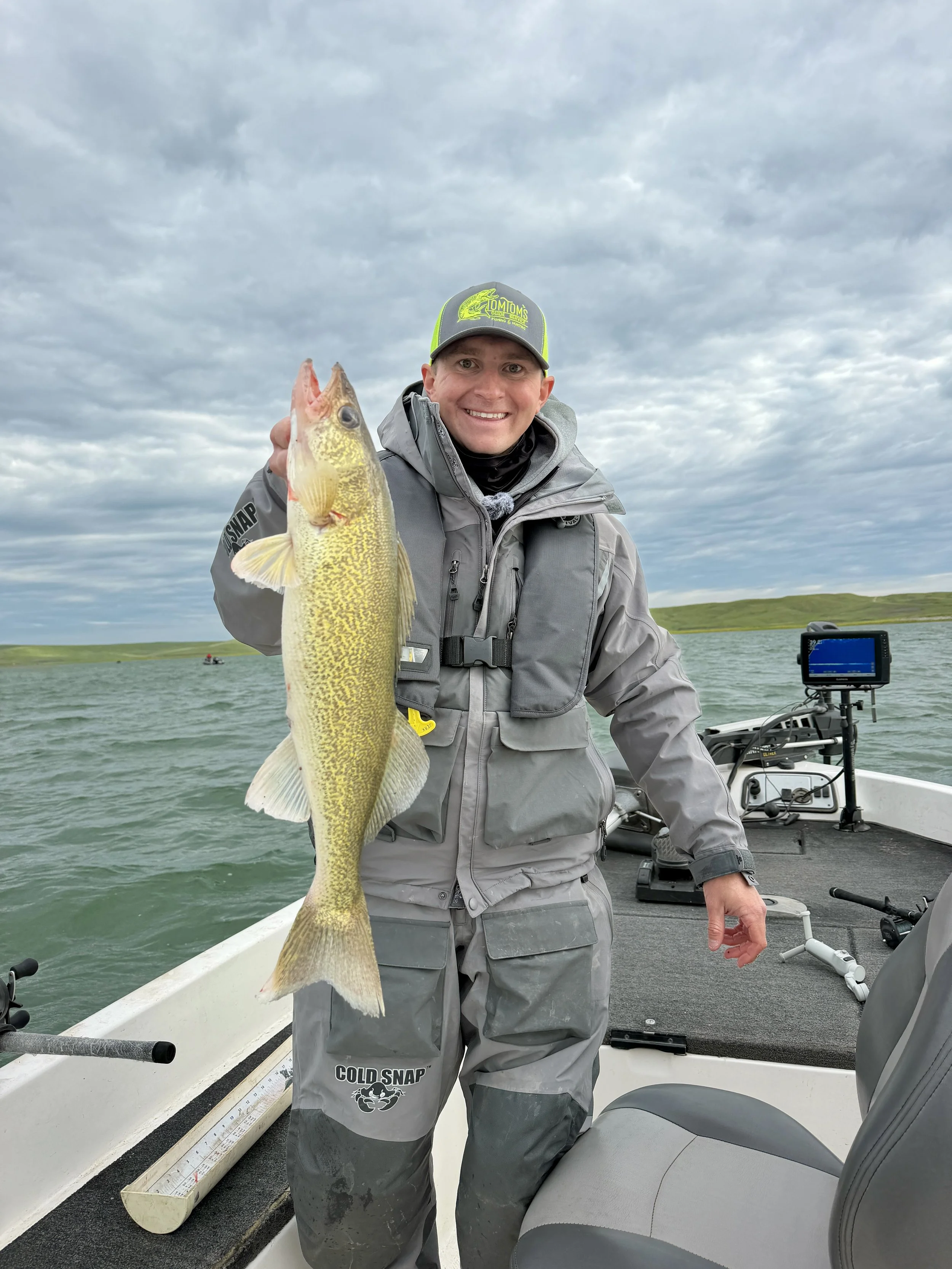
What stood out most, however, was the quality of fish. While multiple presentations caught walleyes, the fish measuring over 20 inches seemed to be much more closely tied to areas with stable water temperatures, consistent bait concentrations, and dependable forage activity. Those factors repeatedly led us to the better fish throughout the trip.
The biggest lesson from my time on Lake Oahe was that success wasn’t about finding a single magic spot. It was about identifying areas where bait, water temperature, and conditions remained consistent. When those three ingredients came together, the better walleyes were rarely far away.